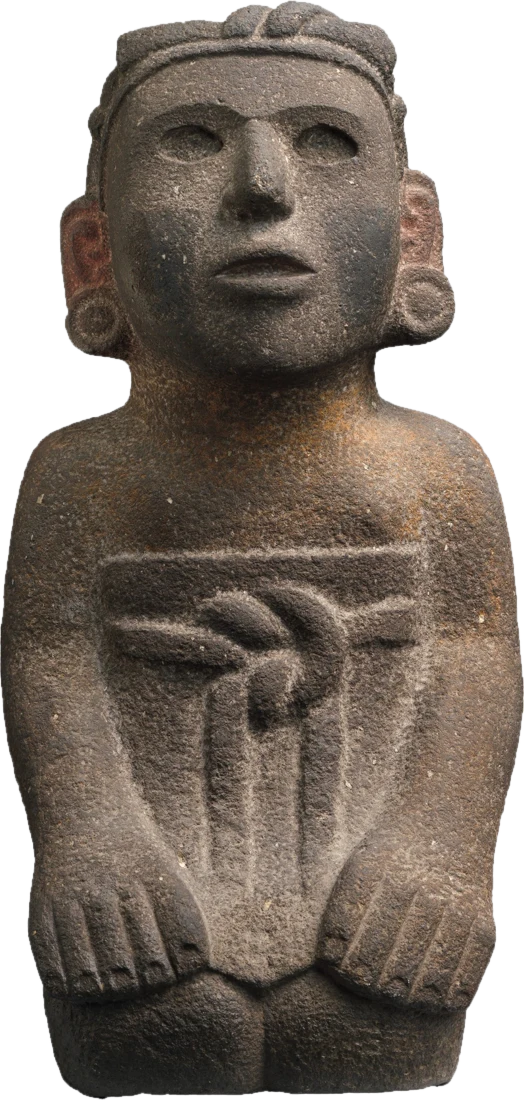
Attribution comes in degrees
An object may be documented as by a maker, attributed to a workshop or associated with a circle or period. The record preserves that distinction instead of forcing certainty.
 Art.Industries
Platform
Tell us what you’d like Art.Industries to do.
Thank you. We read every message.
Industries
Tell us what you sell and how you work.
Thank you. We read every message.
Compare
Tell us which tool you’d like us to compare.
Thank you. We read every message.
For dealers, collectors and specialists working with historical and collectible objects. Attribution may be qualified, dates may be approximate, and restoration can matter as much as appearance. Art.Industries records the evidence behind each description, keeping maker, period, provenance, condition and ownership with the object.
Start with a blueprint for unique historical objects, then shape it around the periods, makers and categories you handle by adding, renaming or hiding fields.
+ Add, rename or hide fields
In every record
Every arrangement
Working with contemporary furniture? See Furniture
Art.Industries comes with predetermined blueprints for each industry: a ready-made set of sections and fields suited to what you sell. Start from the one that fits, or create a blueprint of your own, fully custom to your industry. One workspace can use several at once.
See every blueprint in Inventory ManagerAn object may be documented as by a maker, attributed to a workshop or associated with a circle or period. The record preserves that distinction instead of forcing certainty.
Repairs, replacement parts and later alterations can affect how an object is understood and valued. Recording what changed gives buyers and specialists a clearer account of its condition.
Stamps, labels, signatures and workshop marks may help identify who made an object and where it came from. Detailed images keep that evidence visible beside its description.
Previous owners, sales, exhibitions and published references build the object’s history. Keeping those sources together makes it easier to distinguish established facts from later interpretations.
Yes. Attribution can be described with the terminology appropriate to the object, supported by notes, images, documents and references that explain the basis for it.
Yes. Condition, repairs, restoration and later alterations can be recorded separately, giving a clearer account of the object than a single condition label.
Yes. Supporting documents can remain with the object record, including invoices, certificates, correspondence, catalogue pages and other material connected to its history.
Yes. One workspace can combine several blueprints, allowing antique objects, contemporary furniture, jewellery and other categories to retain the fields that suit them.
Thank you. We’ll reply by email.
Bring your existing records with a guided import, or add your first piece today.
No card required. Currently joining the waitlist.