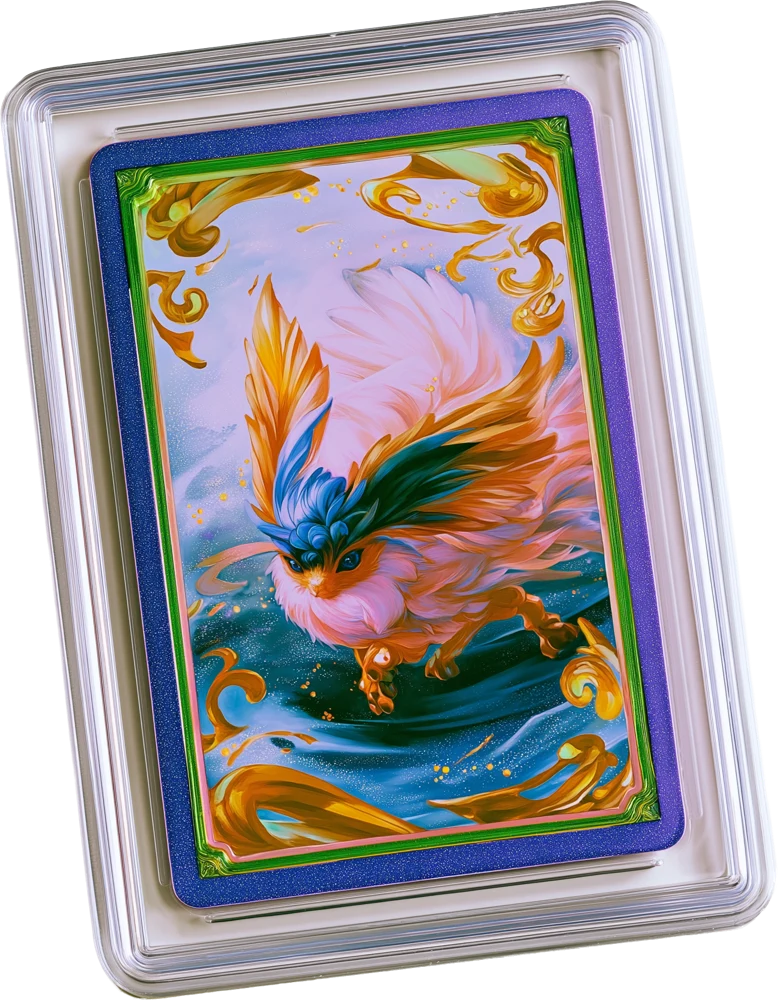
The exact version matters
A first edition, reverse foil, regional printing or recognised error may look almost identical to another copy while belonging to a different market. Set, number and variation fields make the distinction explicit.
 Art.Industries
Platform
Tell us what you’d like Art.Industries to do.
Thank you. We read every message.
Industries
Tell us what you sell and how you work.
Thank you. We read every message.
Compare
Tell us which tool you’d like us to compare.
Thank you. We read every message.
For card dealers, specialist shops, auction houses and businesses handling trading cards, comics, toys and memorabilia. A collectible is identified not only by what it depicts, but by its set, issue, variation, condition and, often, third-party grade. Art.Industries gives each physical item a record that distinguishes it from every similar-looking copy.
Start with fields for identification, grading and condition, then add, rename or hide them for the category you handle. The same workspace can use one layout for cards and another for comics, toys or memorabilia.
+ Add, rename or hide fields
In every record
Every arrangement
Working with design objects or antiques? See Design and Antiques
Selling your own product drops? See Limited Runs and Merch
Art.Industries comes with predetermined blueprints for each industry: a ready-made set of sections and fields suited to what you sell. Start from the one that fits, or create a blueprint of your own, fully custom to your industry. One workspace can use several at once.
See every blueprint in Inventory ManagerGeneral inventory tools group matching items under one product and quantity. Collectibles can share a name and image while differing in printing, language, condition, grade and value, so each physical copy needs its own identity.
A first edition, reverse foil, regional printing or recognised error may look almost identical to another copy while belonging to a different market. Set, number and variation fields make the distinction explicit.
Third-party grading assesses a particular physical item, then pairs the result with a certification number and holder. Another copy of the same card may be raw, altered or graded differently and should not inherit that information.
An unopened box, a loose figure and the same figure with its original packaging are not interchangeable. Completeness, seals, missing accessories and damage to the box can all belong in the individual record.
A signature, recognised error or unusual issue can change how an item is described and valued. Keep certificates, label details, purchase source and supporting images with the item instead of in a separate folder.
A valuation for one printing or grade should not be applied to every example with the same name. Each item keeps its own asking price, valuation and sales history beside the details that explain the difference.
Yes. Record the franchise, set, card number, language, printing, rarity, finish, condition and grading details for each card. The same structure works for sports and non-sports cards, with fields renamed or hidden where they do not apply.
Yes. Each physical copy can have its own record. A raw card can keep its observed condition, while a graded copy records the grading company, grade, certification number and holder without applying those details to other copies.
Yes. One workspace can use several blueprints. Keep card-specific fields for trading cards, then use different fields for comic issues, boxed toys, signed memorabilia or other categories without forcing everything into the same layout.
Yes. Import records from a spreadsheet or another system, then add images, certificates and missing details. Your records can also be exported in full at any time.
Thank you. We’ll reply by email.
Bring your existing records with a guided import, or add your first piece today.
No card required. Currently joining the waitlist.